
There’s a place for everyone!
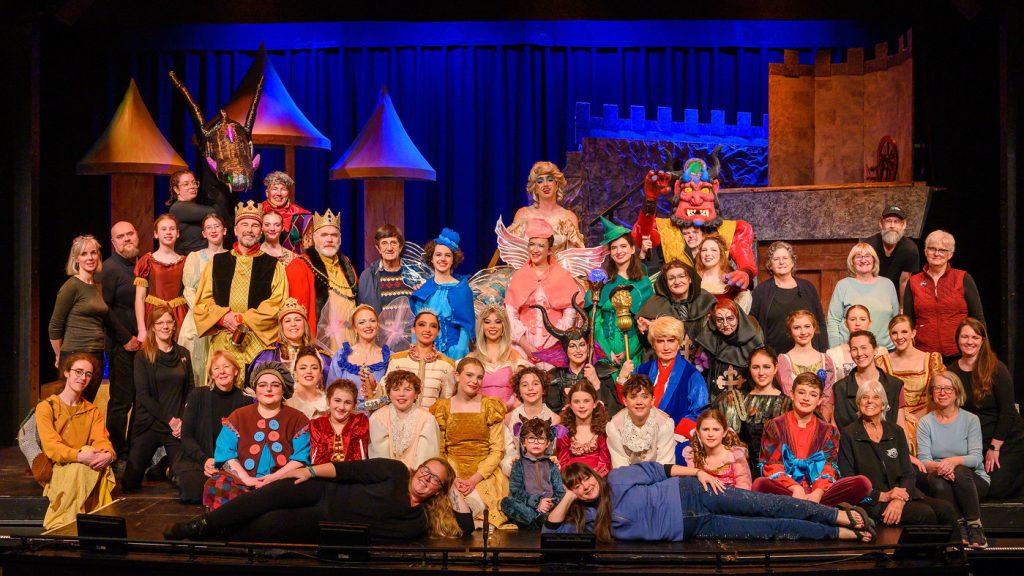
A theatre production takes far more than actors to bring it to life. From building sets and creating costumes to running lights, welcoming audiences and helping backstage, every production at Courtenay Little Theatre is powered by volunteers.
Whether you have years of theatre experience or have never set foot backstage before, there’s a role for you. Some jobs require specialized skills, while others are a great way to learn something new. You can volunteer for a single production, help out occasionally, or become a regular part of the CLT community.
You don’t need to know exactly what you want to do. We’ll help you find a role that fits your interests, skills and available time.
What goes into a production?
Think of a production as a big team. Different people take responsibility for different pieces, but everyone is working toward the same goal: creating a great experience for audiences.
On Stage
Actors
Actors bring the characters and story to life. The size and structure of a cast can vary dramatically from production to production. A show might have just four actors carrying the entire story, or it might have a cast of 40 or more, with principal characters supported by a large ensemble of singers and dancers.
Lead Roles
Lead and supporting roles carry the central characters and story of a production. Depending on the show, there may be one or several principal characters, along with supporting roles of varying sizes. Auditions are held for each production, and previous theatre experience isn’t always required.
Ensemble
The ensemble is the group of performers who help create the larger world of a production. Depending on the show, ensemble members might sing, dance, act, appear in crowd scenes, play multiple characters or support the principal cast. In some productions, the ensemble can be a small group; in others, it can be one of the biggest parts of the cast.
Directing & Production
Director
The director is responsible for the overall artistic vision of the production. They lead the actors and creative team to shape the story, performances, pacing and style of the show.
Producer and co-producers
The producer oversees the production as a whole, helping bring together the creative, organizational and practical pieces needed to get the show from an idea to the stage. Depending on the production, the producer may work closely with the director, production team, theatre leadership and volunteers to keep the project moving forward.
Stage Manager
The stage manager is the person who keeps the production organized once rehearsals begin. They coordinate communication between the director, actors and technical teams, track blocking and production details, and ultimately help make sure every performance runs smoothly.
Assistant Stage Manager(s) ASM
The ASM works backstage throughout the performance, in constant contact with the Stage Manager via headset. During the performance, the ASM will queue actors and props on and off the stage. Prior to the performance each night, ASMs ensure the preset (props and set decor) is correctly prepared, ensure all the props that will be used are ready, and ensure actors are prepared and at places when required.
Additional Backstage Crew
Additional backstage crew help the ASM manage everything happening behind the scenes during a performance—from moving scenery and props to helping actors with quick changes and keeping the backstage area organized and running safely.
Design & Making
Set Designer
The set designer works with the director to develop the physical world of the play: the rooms, buildings, furniture and other elements that create the setting.
Set Construction & Painting
You don’t need to be a professional carpenter or scenic artist to help build a set. Volunteers may help with everything from basic construction and painting to assembling, finishing and installing set pieces.
Props
Props are the objects actors use or interact with on stage. Prop volunteers may research, source, make, modify, organize and maintain everything from a newspaper or teacup to a complicated mechanical object.
Costumes
Costume volunteers help create the look of the characters. This can include sourcing clothing, sewing, altering garments, making accessories, organizing costumes and helping actors with costume changes.
Hair & Makeup
Hair and makeup help establish characters and ensure performers look right under stage lighting. Depending on the production, this might involve anything from everyday makeup and hairstyling to period styles, wigs or special effects.
Technical Theatre
Lighting Design & Crew
Lighting helps establish mood, focus the audience’s attention and create the visual world of the production. Lighting volunteers may help design the lighting, hang and focus fixtures, program lighting cues or operate the lighting during performances.
Sound Design & Crew
Sound can include music, microphones, sound effects and other audio elements. Sound volunteers may help design the soundscape, set up equipment, manage microphones and operate the sound system during performances.
Projection / Video
Some productions use projected images, video or other digital media as part of the design. Volunteers with an interest in technology, video or digital production can be particularly valuable here.
Marketing & Communications
Graphic Design
Create posters, programs, social media graphics, advertisements and other visual materials.
Photography & Video
Capture production photos, rehearsal moments, promotional images and video content.
Social Media
Help share what’s happening at CLT, promote upcoming productions and give audiences a behind-the-scenes look at the theatre.
Writing & Communications
Help write website content, newsletters, media releases, program copy and other communications.
Marketing & Promotion
Help spread the word about productions through community outreach, posters, partnerships, advertising and community events.
Behind the Scenes
There are also many jobs that don’t fit neatly into a single category.
Catering and Events
Actors and crew need to eat—and we all love a good reason to socialize! Help organize and provide food and refreshments for rehearsals, production work calls, opening nights and other theatre events. This might mean preparing food, bringing a dish, setting up, serving or helping with cleanup.
Theatre is about community as much as it is about putting on a show. Help organize cast and crew gatherings, opening-night celebrations, fundraisers, volunteer appreciation events and other opportunities for the CLT community to get together.
Administrative Support
Volunteers can also help with organizing, scheduling, data entry, research, correspondence and other activities that keep the theatre running.
Fundraising & Events
Help organize fundraisers, community events and activities that support CLT’s productions and ongoing operations.
Questions?
I don’t have any theatre experience. Can I still volunteer?
Absolutely. Theatre is a collaborative craft, and many of the skills needed to put on a production can be learned along the way. You might discover that you’re a natural backstage, develop a new technical skill, meet some great people—or find a completely unexpected creative outlet.
If you’re reliable, willing to learn and ready to work as part of a team, we’d love to hear from you.
How much time do I need to commit?
That depends on the role. Some volunteer opportunities involve a regular commitment throughout rehearsals and performances. Others might mean helping for a few hours on a specific evening, weekend or work call.
When you volunteer, let us know how much time you have available. We’ll do our best to find something that works for you.
Ready to get involved?
Tell us a little about yourself, what you’re interested in and how you’d like to help. You don’t need to choose a specific role—we can help you find a place that fits.
Email info@courtenaylittletheatre.com to join in the fun!
You can also watch for volunteer calls for individual productions. Each show has different needs, and there are always opportunities to get involved.